
Af hverju Stake Casino samskipti eru betri en íslenskum spilalofum
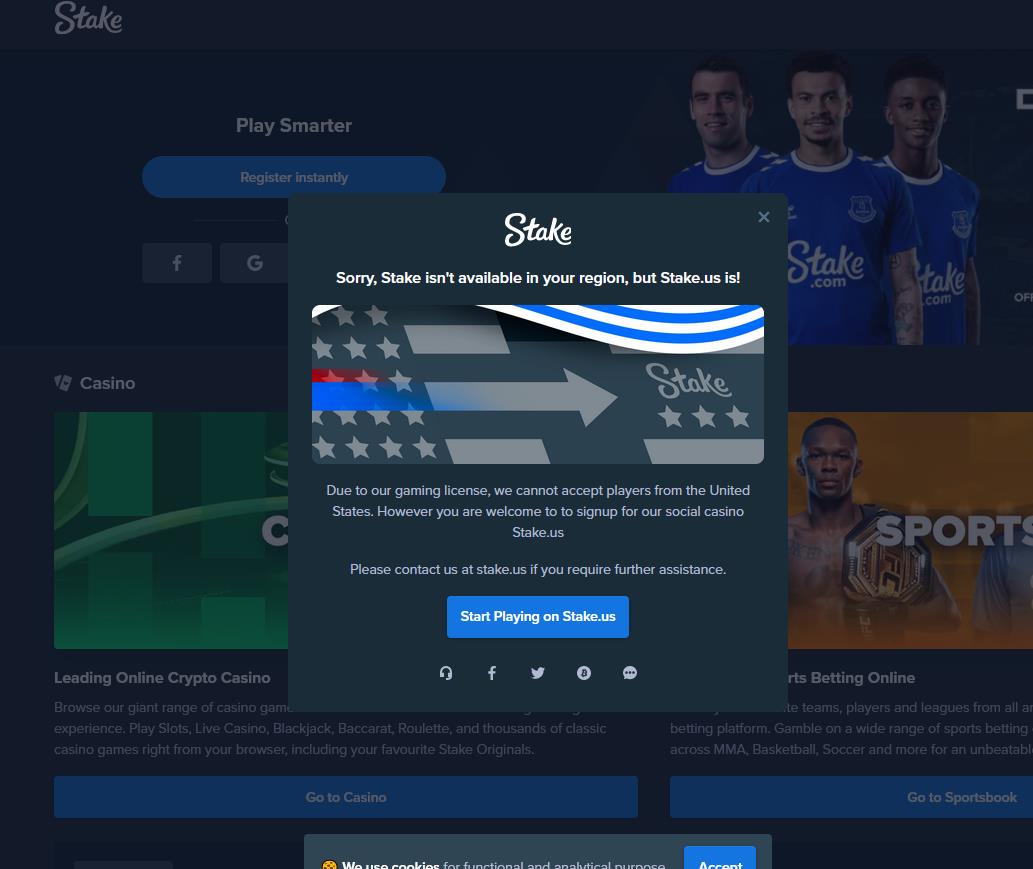
Sem maður sem hefur prófað ýmsar af nettilboðum hér á landi, tel ég oft skorta góð samræði og stuðning sem grundvallast á alvöru skilningi. Er ég kom fyrst á stake crypto Casino, varð ég strax undrandi af því á hvaða hátt þeir veittu mér viðtöku. Þetta var ekki eingöngu leikjavalið. Þeir lögðu mikilvægi á að vera viðbúnir og greinilegir. Eftir mörg skipti við þá hef ég séð að þetta sé ekki ekki bara slungin markaðssetning. Þetta er kerfisbundin og fast rótgróin hefð sem metur spilamennskuna og þekkir sérstök skilyrði á Íslandi, allt frá greiðslumáta til menningarlegra viðmiða sem gera veðmálunum betri.
Glöggt og ljós skilmálar í hverju skrefi
Eitt stærsta vandamálið í spilavítum er oft skortur á gagnsæi, sérstaklega varðandi bónusa og afgreiðslur. Hér hef ég fundið að Stake Casino setur staðla. Allir skilmálar eru skrifaðir á ljósu og hreinu máli. Engin hulin orð eða flókin lagaleg tungutaka. Þegar ég skráði mig fyrir bónusa, voru öll skilyrði og kröfur sett fram þannig að ég skildi auðveldlega hvað var í gangi. Þessi gagnsæi nær einnig yfir afgreiðslutíma, leikjareglur og öll fjárhagsleg viðskipti. Slík hreinskilin og beinskeytt samskipti koma í veg fyrir vonbrigði og byggja upp traust. Það er ómetanlegt fyrir leikmann í heimi þar sem margir líta á áhættuspil með grunu.
Skýr og skiljanleg samskipti á íslensku
Það fyrsta sem sem kom mér á óvart var skýrt og greinilegt íslenskt tungumál í hverjum einasta samskiptum. Þetta er ekki bara þýðing á ákveðnum staðaltexta. Stake Casino hefur augljóslega lagt á að skapa samskipti sem eru ekki einungis nákvæm, heldur líka náttúruleg og samræmd íslenskri menningu og orðavali. Þegar ég hafði samband með fyrstu fyrirspurnina mína eða þegar ég leitaði í aðstoð, komu svörin skrifuð á vel stílgreindri íslensku sem innihélt skilning á íslenskum orðatiltækjum og siðum. Þetta fjarlægir misskilning og skapar traust um leið. Í stað þess að reyna að selja mér á erlendum hugtökum, greinir teymið skilmála, bónusa og leiðir á þann hátt sem ég get tengst við. Það leiðir til þess að allt síður kerfisbundið og að auki mannlegt.
Notendaupplifan og aðlögunarferli að íslenskum tækniþörfum
Ísland hefur sérstakar tækniaðstæður og hraða veftengingu. Ég hef kannað hvernig Stake Casino hefur breytt sér þessum undirstöðuþörfum. Vefsíðan og appið eru hvort tveggja vel gerð fyrir skjótleika og árangursríka notkun. Enginn óþarfa flókið efni sem seinkar á hlutunum. Ennfremur hefur tækniaðstoðin sýnt skilning á þessum tæknilegum aðferðum sem Íslendingar nota helst. Þessi aðstoð getur veitt aðstoð sem samræmist við þessi búnað og tæki sem algengust eru hérlendis. Þessi aðlögun tryggir að tæknileg vandamál, hvort sem þau tengjast tengingu, hraða eða samhæfni, séu leyst á góðan máta. Spilarinn þarf þá ekki að stríða við óviðeigandi eða óviðeigandi leiðbeiningar.
Sérsniðin þjónusta fyrir landsins markað
Það er ófullnægjandi að veita alþjóðlega þjónustu. Hún verður að passa við svæðisbundnar aðstæður. Stake Casino sýnir greinilega að þeir skilja sérstöku eiginleika markaðarins okkar. Þetta birtist á fjölbreytta vegu. Frá þeim greiðsluleiðum sem við viljum helst, til þess að taka tillit til staðbundinna reglna og venja. Þeir bjóða upp á gjaldmiðla sem henta okkur og tracxn.com hafa raunar lagt áherslu á að þjónustan sé tiltæk á þeim tíma dags sem Íslendingar spila mest. Þessi sérstaka nálgun stöðvar að leikmaðurinn líði eins og hann sé bara númer í kerfi. Hann skynjar sig metinn fyrir sérstök þarfir sínar og aðstæður.
Viðbragðstími og skilvirk aðstoð í rauntíma
Augnablikið er verðmætur, einkum við fjárhagsleg málefni eða tæknileg vandamál eru undir. Á þessum stað stendur Stake Casino sérstaklega betur samanborið við aðra veitendur sem ég hef notað. Stuðningsteymið veitir svar ekki einungis hratt. Vanlega er svarið til baka komið innan mínútna. Ennfremur er viðbragðið ávallt viðeigandi og ræður vandamálið strax. Ég hef aldrei þurft að fara að fara á milli hópa eða endurtaka sömu gögnin. Skilvirkni þeirra án tafar, annað hvort í lifandi spjalli eða með tölvupósti, vísar á skilning á þörf leikjanna fyrir tryggri og skemmtilegri þjónustu. Þetta samstundis samband eyðir kvíða og eflir trú til langs tíma.
Áframhaldandi samskipti og álit frá samfélaginu
Samskipti Stake Casino við mig létu ekki ekki eftir skráningu. Þau breyttust og dýpkuðust. Ég tók eftir reglulegum tilkynningum sem voru ekki bara auglýsingar. Þær voru nytsamlegar upplýsingar um nýja eiginleika, öryggisuppfærslur eða jafnvel staðbundnar fréttir sem gætu átt við íslenska leikjann. Á sama tíma virðist fyrirtækið taka til sín endurgjöf frá samfélaginu alvarlega. Ég hef séð breytingar og endurbætur byggðar á áliti leikmanna. Þetta bendir til að þeir hlusta ekki bara. Þeir svara. Þessi áframhaldandi tenging og viðbrögð byggja upp tilfinningu fyrir samfélagi og því að maður sé hluti af einhverju stærra en bara viðskiptasambandi.
Langvarandi traust og ímynd hjá Íslendinga
Við skoða alla þá reynslu og heyri umsagnir fleiri Íslendinga, sést beint fram mannorð og traust sem Stake Casino hefur byggt upp. Í lítilli þjóð eins og okkar fer orðið hratt og traust er allt. Sú staðreynd að fyrirtækið hefur uppfyllt loforð sín um gagnsæi, öfluga þjónustu og sérsnið að íslenskum aðstæðum hefur skapað jákvæðri svörun og styrkt trúfélag. Þetta fjallar ekki bara um að veita spil. Þetta er um að skapa samstarf byggt á virðingu, skilningi og stöðugleika. Í heimi þar sem fjölmargir leita að áreiðanlegum og áreiðanlegum spilavítum, gefur Stake Casino með samskipta menningu sinni að þeir skilja einn hlut. Sönn tengsl er grundvöllurinn að langtíma árangri og vellíðan leikmanna.